
BrisTechTonic is a Bristol SEO agency that helps dentist businesses get found by new customers on Google, the local map pack and the AI assistants they now ask, like ChatGPT and Perplexity. Choosing a dentist is a trust decision, and it now plays out across Google, the map pack and AI answers from ChatGPT and Google's AI Overviews long before anyone picks up the phone. Dental SEO in 2026 means owning all of those. BrisTechTonic helps UK dental practices get found, get trusted, and turn visibility into booked appointments through local search, structured treatment content and reviews.
How do we help dentist businesses win more customers?
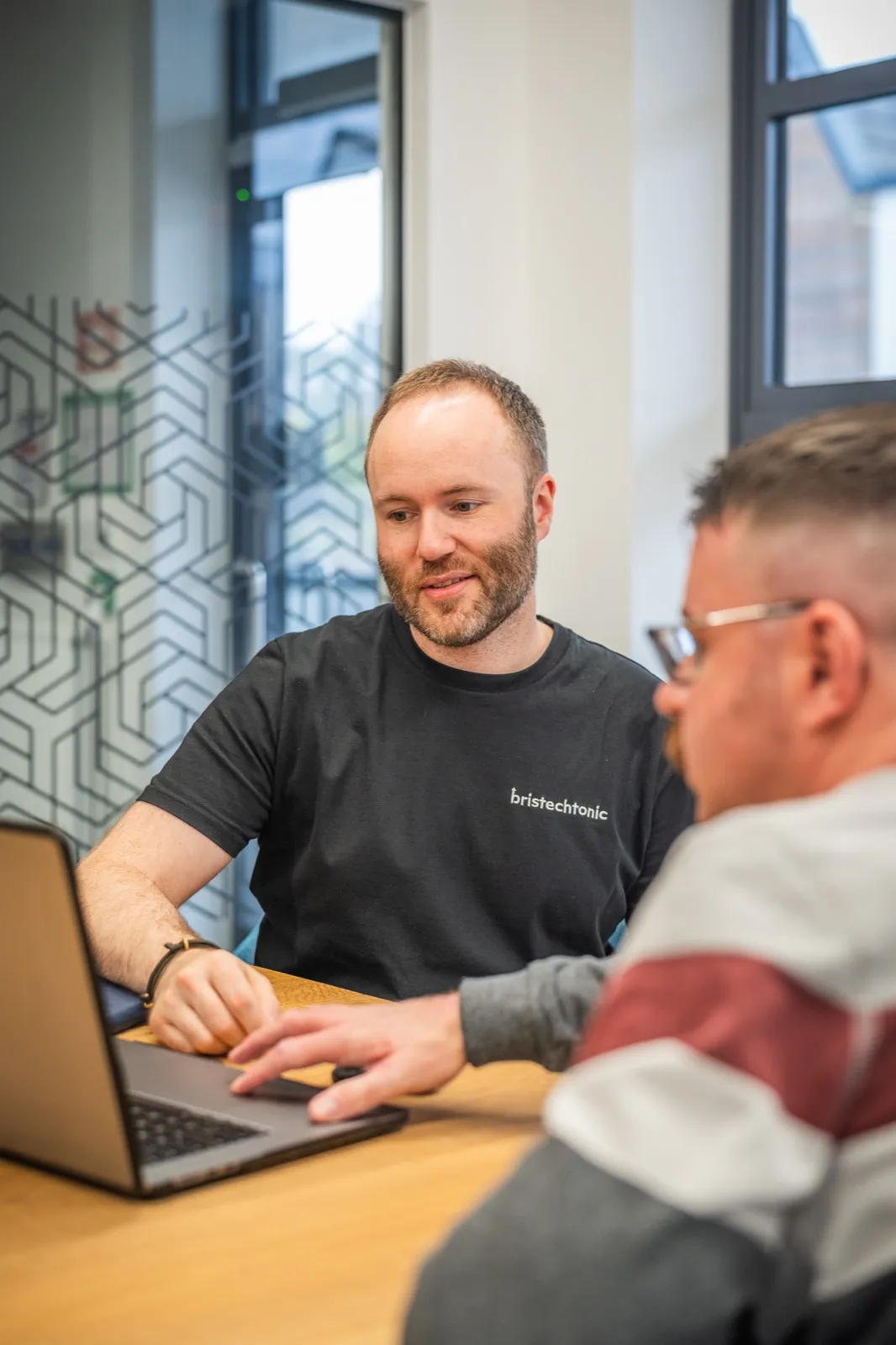
You deal with our small, experienced Bristol team directly, from the first call to every monthly report.
Meet the team →Ready to get your dentist business found?
Book a call →How do we do dentist SEO?
How we help you
Why this sector needs SEO in 2026
What this SEO programme covers
Why trust matters more here
How we work
How we do search
Are we the right fit for your dentist business?
“The guys at BrisTechTonic are great - friendly and always helpful. I would highly recommend!”
Allanah Fenwick
The person who scopes your account leads the work on it. We know how dentist buyers search, we work from your real data, and everything we build stays yours.
Meet the team →Some of our recent work.
You work directly with the senior people who do the work, a small Bristol team you will actually get to know, not a call centre or an account manager relaying messages.
Meet the team →




“I've had the pleasure of working with Chris on several SEO projects for my websites in the health field. He was definitely been able to demystify things so that I felt able to make decisions with him and feel confident they were the right ones. For a non-techie, that is worth gold! I look forward to working with Chris again and warmly recommend him to anyone who - like me - is unsure about all things SEO.”
“I was recommended by my branding partner to use Chris and his team last year. I can’t recommend them highly enough. They are very responsive , easy to communicate with and great at translating techy stuff when needed. They are now an essential part of my business model”
“We've been working closely with Chris, Hannah and the team for over 12 months now. As a small company with ambitious growth plans, it was incredibly important that we made the right choice on who to trust with our SEO. 18 months later, we're totally thrilled with our experience so far and our growing online presence within our market. We'd happily recommend BTT and their services to other SMEs. Drop them an enquiry!”
Switching your dentist SEO to us?
Moving your dentist SEO to us is more straightforward than staying somewhere that is not working. You keep everything you already own, we pick up without a gap, and we can run the whole thing for you or work alongside your team and your developers, whatever suits.
A free look first
We review what your current agency has done, tell you straight what is worth keeping and where the quick wins are. No obligation to move.
You keep what's yours
Your site, content, Google Business Profile and analytics stay in your name. We work with what you already have; nothing is held hostage.
A clean handover
We map the work across, set a plain-English baseline in the first few weeks, and carry on from there. No starting from zero, no quiet ranking gap.
Three-month minimum, then rolling monthly on 30 days’ notice. No long lock-in, no exit fees.
How much does dentist SEO cost?
All + VAT · 3-month minimum, then 30-day rolling| What's included | Lite £299 + VAT / month | Max Most chosen £449 + VAT / month | XL £849 + VAT / month | Custom Contact us |
|---|---|---|---|---|
| Technical & on-page SEO | ✓ | ✓ | ✓ | ✓ |
| AEO / AI-search layer (found in ChatGPT, AI Overviews) | ✓ | ✓ | ✓ | ✓ |
| Local map-pack optimisation | ✓ | ✓ | ✓ | ✓ |
| Page creation | ✓ | ✓ | ✓ | ✓ |
| Blog posts / month | Add-on | Add-on | 2 | Tailored |
| AI Authority building | — | — | ✓ | ✓ |
| Plain-English monthly report | ✓ | ✓ | ✓ | ✓ |
| Best for | Getting the foundations right | Competing on your key services and location | Going after it hard, incl. AI authority | Shaped around your goals |
Before you get in touch.
How much does dental SEO cost in the UK?
Dental SEO retainers generally sit between £500 and £2,500 per month, depending on the size of the practice, the competitiveness of the area, and the scope of work. BrisTechTonic's Lite, Max and XL packages are listed transparently on our SEO packages page. We don't lock dental practices into long contracts and we don't bundle expensive website rebuilds you may not need.
How long until a dental practice sees SEO results?
Google Business Profile and local pack improvements often show movement within 4 to 8 weeks. Traditional organic ranking for competitive dental keywords typically takes 3 to 6 months to gain momentum, and 6 to 12 months for the harder informational queries. AI citation can be faster, often weeks rather than months, because AI systems crawl and re-evaluate sources more frequently than Google updates its main index.
What's the difference between dental SEO and dental marketing?
Dental marketing is the umbrella: SEO, paid ads, social media, email, brand, referrals. Dental SEO is the specific discipline of getting your practice found organically across Google, AI search tools, and local map results. SEO is usually the highest-ROI long-term channel because the visibility you build compounds over time, but it works best alongside a small amount of well-targeted paid search and an active Google Business Profile.
Should dental practices invest in SEO or pay-per-click ads?
Both, in different proportions. SEO compounds: every month of work builds on the last, and after 6 to 12 months you have visibility you don't have to pay for click by click. PPC is instant: turn it on and you get traffic the same day, turn it off and the traffic stops. Most growing dental practices run a small ongoing PPC budget for high-intent treatments like emergency or implant searches, while building SEO as the long-term foundation. We run both, and we'll be honest about which one fits the work in front of you.
How do AI search tools like ChatGPT recommend a dentist?
AI systems pull from a few specific sources when they recommend a local business: real reviews on Google and trusted directories, structured data on the practice's website (schema markup), the named credentials of the practitioners, the freshness and depth of content on key treatments, and external mentions in trustworthy publications. A practice that scores well across those signals is the one ChatGPT or Perplexity is most likely to name. The work to earn those citations is what we call answer engine optimisation, and it's now a core part of every dental SEO programme we run.
More on dentist SEO.
Let’s get your dentist business found.
Experienced, and focused on enquiries and revenue, not vanity metrics.