
Contact

Industry

Get your wedding floristry booked

SEO for UK wedding florists, built for the AI search era. We help wedding-specialist studios get found on Google, AI Overviews, Pinterest, Instagram and the major wedding aggregators, so booked-out diaries 12-18 months ahead become the norm rather than the hope.

★★★★★
Based on 109 reviews

3–6

months to meaningful ranking improvements

73%

of customers start their search online

No

lock-in after month 3

100%

transparent monthly reporting

SEO FOR WEDDING FLORISTS

How we help you

Most UK couples start planning their wedding flowers on Pinterest and Instagram, then move to Google, Hitched, Bridebook and Guides for Brides before reaching out. Increasingly, they also ask AI tools like ChatGPT and Google AI Overviews for shortlists. SEO for wedding florists in 2026 means showing up across all of those surfaces. BrisTechTonic helps UK wedding florists turn that messy discovery journey into booked weddings, often 12-18 months ahead. Run a general florist shop with seasonal peaks rather than a wedding-only studio? Head to our sibling page on SEO for florists instead. This page is wedding-specific only.

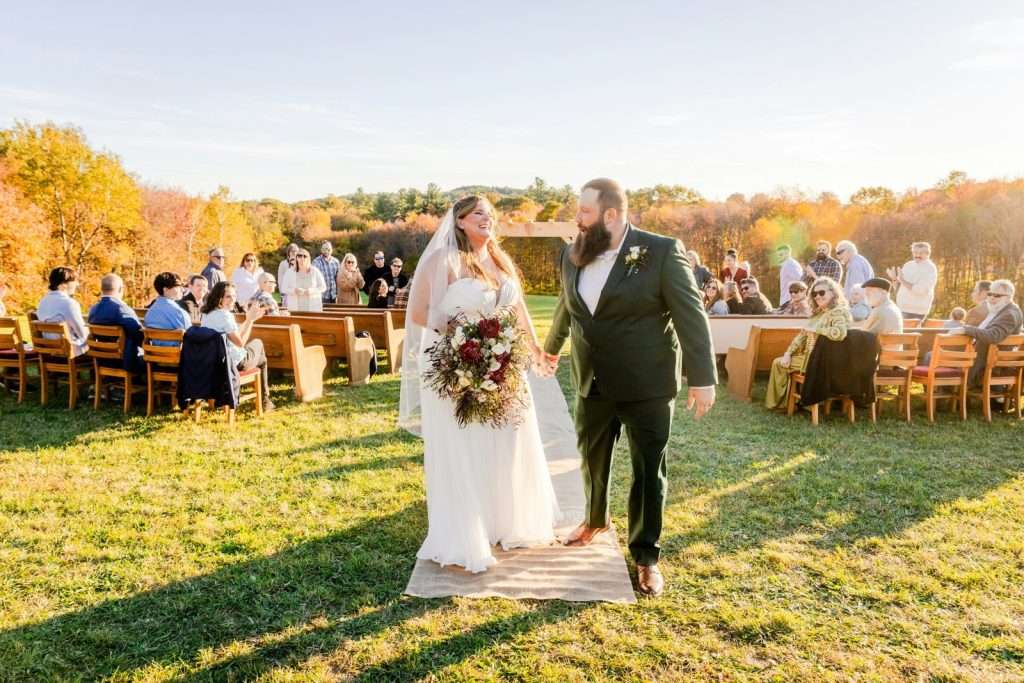
Bride and groom walking down the aisle at their wedding ceremony

Why this sector needs SEO in 2026

The way customers find businesses in this sector has changed sharply over the last two years. Buyers who used to type a service-name search into Google now also ask ChatGPT for a recommendation, scan Google AI Overviews for the answer, and check reviews before they ever click through. The businesses winning right now are built to appear across all of those surfaces. That is the work SEO covers in 2026.

What this SEO programme covers

A complete SEO programme for this sector combines several layers of work, each doing a different job: local visibility, content that answers buyer questions, technical foundations, and the kind of structured, authoritative content that gets cited by AI search tools.

  • Local SEO and Google Business Profile

    Getting your business into the local map pack for "near me" and town-level searches. Reviews, photos, accurate listing data, and consistent NAP (name, address, phone) across the web. For service businesses this is the single biggest lever for getting found at the moment of buyer intent.

  • Answer Engine Optimisation (AEO)

    Structuring content so AI tools cite your business when a prospective customer asks for a recommendation. Clear question-and-answer formats, structured data, named expertise, and topical depth on the questions buyers actually ask.

  • Technical SEO

    A fast, well-structured website with the right schema markup so search engines and AI crawlers understand who you are, what you do, and who you’re qualified to treat.

  • Content SEO

    Treatment pages, FAQs, and blog content that answer the questions real patients ask before they book.

  • Reviews and reputation

    Not just collecting them, but making them work as ranking signals across Google, Trustpilot, and the AI systems that read both.

Most marketing agencies in this space still bundle SEO with website design and call the website the deliverable. We treat SEO as the visibility layer that sits on top of whatever website you already have. Your site stays the same; we make sure people can find it.

LOCAL SEARCH

Where most of your customers actually find you

For most businesses in this sector, the majority of new customers live within a clear geographic catchment. That means the single most valuable real estate online is the local map pack, the Google Business Profile, and the local search results for “near me” and town-level queries. Get those right and the rest of the SEO work compounds on top.

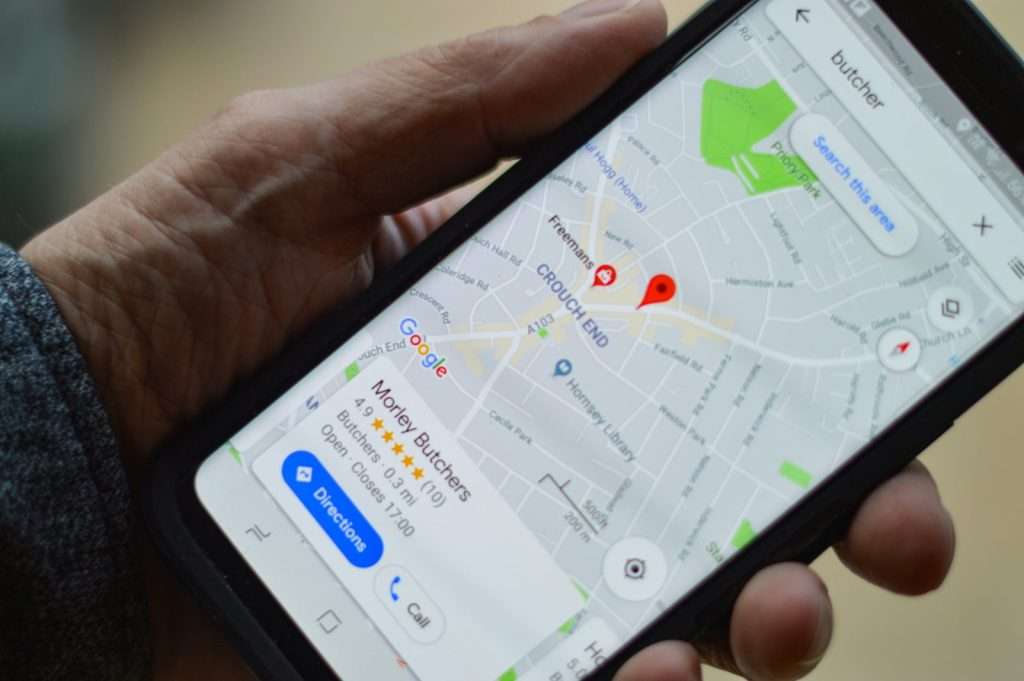
Local SEO and Google Maps search on smartphone
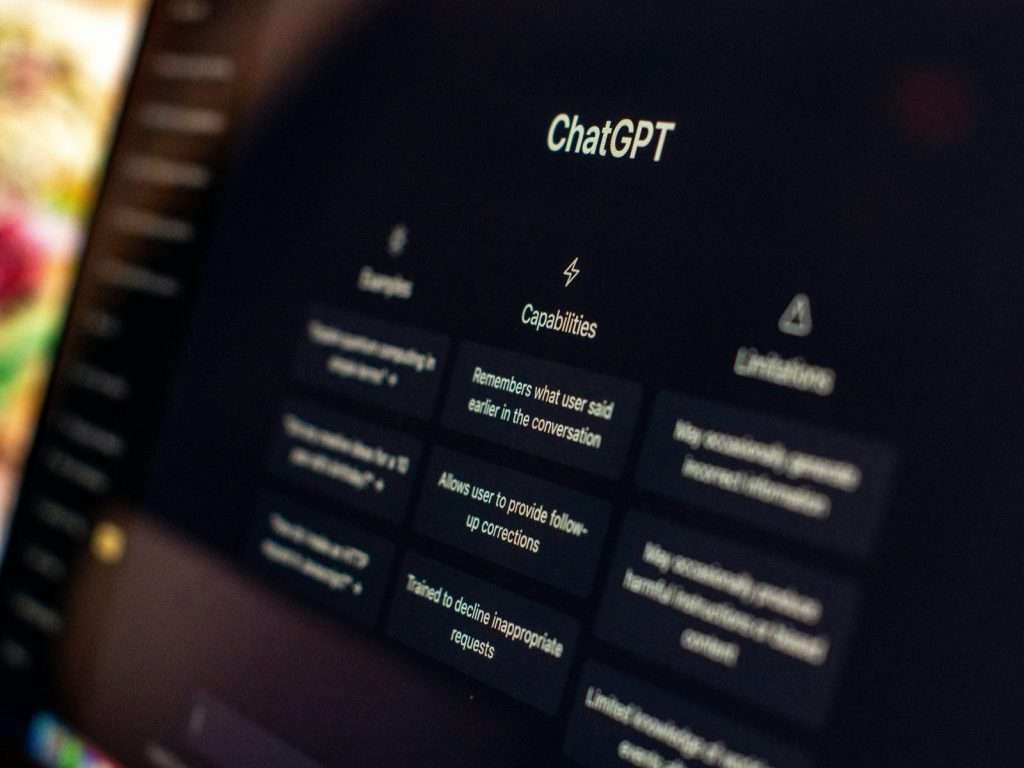
ChatGPT AI search homepage open on a laptop screen

aeo

The AI search angle: getting cited by ChatGPT, Perplexity and Google AI Mode

Here is the shift that most agencies in this space are still not talking about. When a buyer asks ChatGPT “who’s a good [service] in [city]?”, the model answers with named businesses. When they ask Google AI Mode for help finding a provider, the AI cites specific firms. Those citations are not random. They go to the businesses with strong authority signals, real reviews, named expertise and structured, citation-friendly content.

Trust, compliance and E-E-A-T for this sector

Content in regulated or trust-sensitive sectors sits in what Google calls “Your Money or Your Life” territory. The bar for credibility is higher than for almost any other industry. AI systems apply similar rules: they prefer content that is clearly authored, factually reviewed, and consistent with what authoritative sources elsewhere are saying about the same topic. That is the bar we build to.

What working with BrisTechTonic looks like

Every engagement starts with a foundation audit (technical, content, local, AI search readiness), then settles into a monthly rhythm of priority work, agreed against your goals. You always know what’s been done, what’s next, and what changed. Full pricing and what’s included on each tier sits on our SEO packages page.

How we work

How we improve your firm's visibility

1

We look at where you are now

A free 30-minute discovery call where we look at your current visibility, your competitors, the keyword opportunities you are missing, and the AI-search foundations needed for the next 12 months.

2

We sort the foundations

Technical SEO, page structure, local citations, Google Business Profile. The work most firms skip.

3

We build content that converts

Service-specific pages, FAQ content, and supporting articles, written around the exact searches your buyers actually run. Built around buyer intent, not keyword volume.

4

We report in plain English

Monthly calls, no data dumps. You’ll always know what we did, what moved, and what comes next.

Book a discovery call

WORK WITH US

Take this further

SEO in this sector works best as an ongoing partnership, not a one-off project. The businesses growing fastest right now are the ones that started building AI-search-ready foundations 6 to 12 months ago. Starting today still puts you ahead of most of the competition in your area.

Ready to talk about your business

What clients say

Real results, real businesses

How we do search

Everything you need, nothing you don't

Keyword research across your services

Technical SEO audit and ongoing monitoring

On-page optimisation for all key pages

Local SEO and Google Business Profile management

Content strategy and creation

AI and AEO optimisation

Monthly ranking reports and strategy calls

30-day rolling after month 3

Not sure which package suits?

Most clients start on SEO Max. We’ll confirm what makes sense on your discovery call.

Book a discovery call

One-off SEO strategy

Want expert SEO advice without the commitment?

Book a one-off strategy and get a clear plan for your business.

Book SEO strategy

Platforms we work with

We work with your platform

Whatever website platform you use, we know it.

Find out what's holding your site back

Book a free discovery call. We’ll look at your site before we speak so you get something useful from day one.

Frequently asked questions

Everything you need to know about working with us.

How do couples actually find wedding florists online in 2026?

Couples almost always start on Pinterest and Instagram for visual inspiration, then move to Google and AI tools like ChatGPT or Google AI Overviews for shortlists, then verify the shortlist on Hitched, Bridebook and Guides for Brides. Your website still has to do the final convincing, which is why your SEO, your social presence and your aggregator profiles all need to work together.

How long does SEO take to work for a wedding florist?

Expect local pack and AI citation movement in a few weeks to a few months, and competitive informational queries to land within 6 to 12 months. Because UK couples book their wedding florist 12 to 18 months ahead, that timeline pairs neatly with the booking cycle and results compound into a full wedding season rather than landing as a single spike.

Should wedding florists invest in SEO, Pinterest or paid directories?

All three, layered. SEO is the long compounding asset that earns you traffic without ongoing ad spend. Pinterest is the discovery engine where most wedding research actually starts. Paid directories like Hitched, Bridebook and Guides for Brides act as verification on the shortlist. Skip any one of them and your funnel leaks.

How do AI search tools like ChatGPT recommend a wedding florist?

AI engines build shortlists from structured, citation-friendly content. That means FAQ blocks, schema markup, named real venues and photographers, consistent business information across directories, and plain English rather than jargon. Studios that invest in answer engine optimisation get cited more often when a couple asks an AI tool for wedding florist recommendations in their area.

How much does SEO for a wedding florist cost?

It depends on the size of your studio, your service area, the state of your current site, and how competitive your venue mix is. We publish our standard package ranges on the SEO packages page so you can see roughly where you'll land before the discovery call. Honest version: this is a multi-month investment, not a one-off, and it compounds across the 12 to 18 month wedding booking cycle.

Looking for your new SEO company?

Let's chat.

Related reading

Know what going on in the world of SEO & BrisTechTonic.

How to Rank Higher on Google Maps: The Local SEO Guide

Appearing in Google Maps for local searches can transform a local business. Here is how…

AEO Metrics: How to Measure AI Search Visibility in 2026

You cannot measure Answer Engine Optimisation with a Google Search Console dashboard alone in 2026.…

What Is a Canonical Tag and Do You Need One?

A canonical tag is a small piece of code that solves a surprisingly common SEO…

Is Voice Search Still a Thing? What UK Businesses Need to Know

Voice search was supposed to change everything. The reality is more nuanced. Here is what…