

Contact

Health & Wellness, Industry SEO

SEO for Physiotherapists: How to Fill Your Clinic Through Search

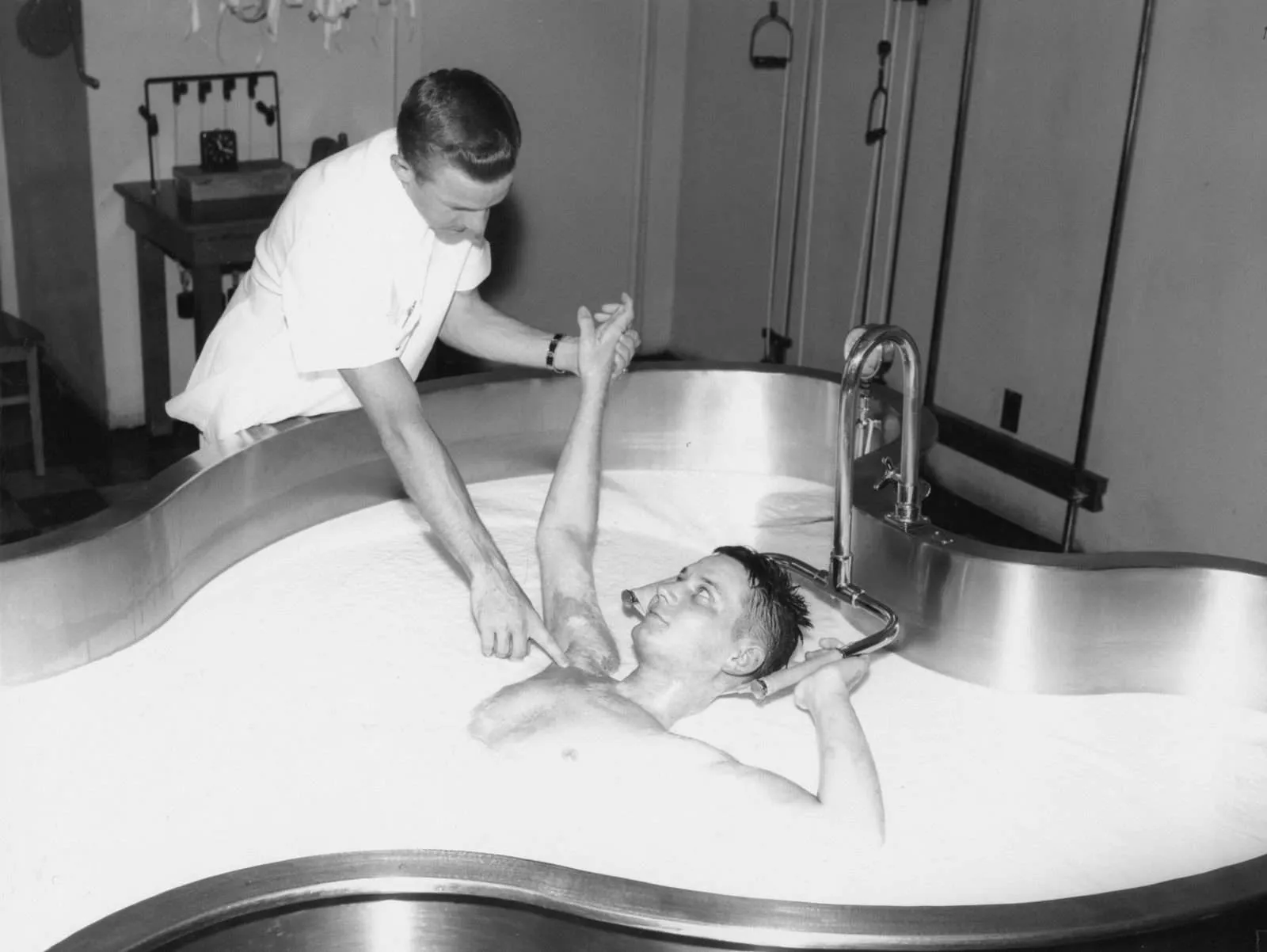
Therapist assists patient in a large hydrotherapy tub.
People searching for a physiotherapist are usually in pain and want an appointment quickly. Here is how clinics make sure they show up at that moment.

In this article:

When someone searches for a physiotherapist, they are usually in pain and need help quickly. Your potential patients are typing “physio near me” or “physiotherapy clinic Bristol” into Google at the exact moment they need your services. SEO for physio clinics ensures you appear at that crucial moment, turning urgent searches into booked appointments and loyal patients.

Physiotherapist assisting a patient inside a hydrotherapy pool during rehabilitation

This guide covers everything you need to know about optimising your physiotherapy practice for search engines. From local search domination to building trust through patient reviews, we will explore the proven strategies that help physio clinics attract more patients through organic search.

Why SEO for Physio Clinics Differs from General Healthcare Marketing

Physiotherapy searches have unique characteristics that set them apart from other medical services. According to Google, over 80% of healthcare-related searches include location-specific terms, and physiotherapy queries show even higher local intent. People rarely plan physiotherapy appointments weeks in advance, they need immediate relief from pain or mobility issues.

Your potential patients typically search with high commercial intent. They are not just researching conditions; they want to book an appointment today. This creates both an opportunity and a challenge. You need to rank well for immediate-need searches while also building long-term visibility for ongoing treatment programs.

The competition landscape for SEO for physiotherapists has intensified significantly. NHS physiotherapy waiting lists average 14 weeks in many areas, pushing more patients toward private clinics. This increased demand means more practices are investing in digital marketing to capture these searches.

Understanding search intent becomes crucial. Someone searching “physiotherapy for back pain” might be in immediate discomfort, while “sports physio techniques” suggests research for future needs. Your content strategy must address both urgent care seekers and informed healthcare consumers.

Local SEO Fundamentals That Drive Physio Clinic Bookings

Local search dominates physiotherapy marketing because treatment requires physical presence. Local SEO ensures your clinic appears when patients search within your catchment area, ideally inside the local pack. Studies show that 78% of location-based mobile searches result in offline purchases, making local optimisation essential for physio practices.

Your Google Business Profile serves as your digital storefront. Complete every section: business hours, contact information, services offered, and appointment booking links. Upload high-quality photos of your clinic, treatment rooms, and equipment. Google prioritises businesses with complete profiles in local search results, and the official setup checklist is in Google Business Profile Help.

Location-specific content creation drives local visibility. Write about treating common conditions in your area, such as “tennis elbow treatment in Bath” or “running injury physiotherapy Bristol.” This approach captures searches from people specifically seeking local expertise while demonstrating your connection to the community.

Citation consistency across online directories impacts local rankings significantly. NAP consistency matters: ensure your practice name, address, and phone number match exactly across Google, NHS website listings, healthcare directories, and review platforms. Even small discrepancies can confuse search engines and reduce your local search visibility.

Essential On-Page SEO Elements for Physiotherapy Websites

Title tags for physio clinic pages must balance search optimisation with patient appeal. Include your primary service, location, and a compelling reason to choose your clinic. “Expert Physiotherapy Bristol | Sports Injury Specialists | Same Day Appointments” works better than generic titles that could apply to any healthcare provider.

Meta descriptions should address patient concerns directly while highlighting your unique value proposition. “Experienced physiotherapists treating back pain, sports injuries, and post-surgery recovery in central Bristol. Online booking available with appointments from £60” speaks directly to searcher needs and includes practical information.

Header structure helps both search engines and patients navigate your content. Use H1 tags for page titles, H2 for main service categories, and H3 for specific treatments. This creates a logical hierarchy that improves user experience while supporting SEO performance.

Internal linking between related pages keeps visitors engaged and distributes page authority throughout your site. Link from general condition pages to specific treatment approaches, and from service pages to practitioner profiles. This structure helps patients find comprehensive information while improving your site’s search engine performance.

Content Marketing Strategies That Build Patient Trust and Rankings

Educational content positions your clinic as a trusted healthcare resource while targeting valuable search terms and building real topical authority. Create comprehensive guides for common conditions like “Understanding Lower Back Pain: Causes, Treatment, and Prevention” or “Post-Surgery Physiotherapy: What to Expect During Recovery.” These pieces attract patients researching their conditions while building authority in your field.

Treatment-specific landing pages should address patient questions comprehensively. Include information about what the condition involves, treatment approaches you offer, expected recovery times, and success rates. Add patient testimonials and before-and-after stories where appropriate to build confidence in your expertise.

Blog content keeps your website fresh and targets long-tail keywords. Write about seasonal injury patterns, exercise tips, workplace ergonomics, and recovery advice. “5 Exercises to Prevent Runner’s Knee This Spring” targets specific audiences while demonstrating your practical knowledge and ongoing commitment to patient education.

  • Address common patient concerns directly in your content
  • Include practical advice patients can implement immediately
  • Use patient-friendly language while maintaining professional credibility
  • Update content regularly to reflect current best practices
  • Create condition-specific resource pages that answer multiple related questions

For other healthcare practices facing similar SEO challenges, see our companion guide on SEO for dentists.

Optimising for Mobile Users and Local Searches

Mobile optimisation matters critically for physiotherapy clinics because many patients search while experiencing pain or mobility issues. Google reports that 60% of healthcare searches now happen on mobile devices, with physiotherapy queries showing particularly high mobile usage during evening and weekend hours.

Page loading speed affects both user experience and search rankings. Compress images of your clinic and equipment, optimise code structure, and use reliable hosting. Google considers Core Web Vitals ranking factors, and patients dealing with pain have limited patience for slow-loading websites. You can test yours in PageSpeed Insights.

Click-to-call functionality should be prominent on mobile versions of your site. Place phone numbers in headers, service pages, and contact information sections. Many patients prefer calling directly rather than filling out contact forms, especially when they need urgent care.

Mobile Optimisation ElementImpact on Patient ExperienceSEO Benefit
Fast loading times (under 3 seconds)Reduces frustration for patients in painHigher search rankings, lower bounce rate
Click-to-call phone numbersEnables immediate contact for urgent needsImproves local search signals
Location and directions integrationHelps patients find clinic easilyStrengthens local SEO relevance
Online booking integrationConverts searches into appointmentsIncreases user engagement metrics

Local search features like map integration and direction links should be easily accessible on mobile. Many patients search for physiotherapy while travelling or when away from their usual location. Making it simple to find and reach your clinic improves both user experience and local search performance.

Building Authority Through Patient Reviews and Social Proof

Patient reviews significantly influence both search rankings and booking decisions for physiotherapy clinics. Google reviews appear directly in search results and local pack listings, making them visible to potential patients before they visit your website.

Review generation should be systematic rather than sporadic. Ask satisfied patients to share their experiences while their treatment success is fresh in their minds. Send follow-up emails after successful treatment completion, and provide direct links to your Google Business Profile to make the process simple.

Responding to all reviews, both positive and negative, demonstrates professionalism and patient care commitment. Thank patients for positive feedback and address any concerns raised in negative reviews professionally. This public dialogue shows potential patients how you handle feedback and resolve issues.

Showcase success stories and case studies on your website while respecting patient privacy. Use anonymised examples of treatment outcomes, recovery timelines, and patient satisfaction. These stories provide social proof while targeting specific condition-related keywords that attract similar patients.

Technical SEO Considerations for Healthcare Websites

Healthcare websites must meet higher standards for technical performance and security. SSL certificates are essential for patient trust and search engine rankings. Google explicitly favours secure sites, and patients expect their health information to be protected during online interactions.

Schema markup helps search engines understand your content better, potentially earning rich snippets in search results. Implement healthcare-specific structured data for your practice information, services offered, and practitioner credentials. Full requirements are in the Google structured data documentation.

Site architecture should reflect how patients think about their health needs. Organise services by condition treated rather than by technical treatment methods. Create clear pathways from general condition pages to specific treatment information and booking options.

  1. Implement SSL certificates across all pages for security and SEO benefits
  2. Use healthcare-specific schema markup for enhanced search result displays
  3. Optimise site speed through image compression and efficient coding
  4. Create logical URL structures that reflect service and condition hierarchies
  5. Ensure all forms and booking systems work reliably across devices
  6. Set up proper redirects for any changed page URLs

Regular technical audits identify issues before they impact patient experience or search performance. Monitor site speed, check for broken links, and ensure contact forms function properly. Technical problems can prevent urgent care seekers from reaching your clinic, directly affecting both patient care and business growth.

Measuring SEO Success for Your Physiotherapy Practice

Key performance indicators for physio clinic SEO extend beyond traditional metrics to include patient-focused outcomes. Track local search visibility for your primary services and location combinations. Monitor how many searches for “physiotherapy near me” result in your practice appearing in the top three local results.

Conversion tracking reveals which SEO efforts drive actual appointments. Set up goals in Google Analytics to track phone calls, contact form submissions, and online booking completions. This data helps you focus SEO efforts on the keywords and content that generate real patients rather than just website traffic.

Patient acquisition costs through organic search typically prove more sustainable than paid advertising for established practices. Local SEO efforts compound over time, building lasting visibility that reduces dependence on costly advertising.

Regular performance reviews should assess both SEO metrics and business outcomes. Track monthly organic traffic growth, new patient enquiries from search, and the quality of leads generated through different keywords. This comprehensive approach ensures your SEO investment delivers measurable practice growth.

Frequently Asked Questions

How long does SEO take to work for physiotherapy clinics?

Most physio clinics see initial improvements in local search visibility within 3-6 months of implementing SEO strategies. However, building strong authority and consistent top rankings typically takes 6-12 months of sustained effort. The competitive landscape in your area and the current state of your online presence will influence these timelines.

Should I focus on general physiotherapy terms or specific conditions?

Both approaches work together effectively. Target broad terms like “physiotherapy Bristol” for general visibility, but also focus on specific conditions like “sciatica treatment” or “sports injury physiotherapy.” Condition-specific content often converts better because it matches exactly what patients are seeking when they search.

How important are Google reviews for physiotherapy SEO?

Google reviews are crucial for physiotherapy clinics because they influence both search rankings and patient decisions. Aim for at least 20 reviews with an average rating above 4.0 stars. Recent, authentic reviews carry more weight than older ones, so maintain a steady flow of new patient feedback.

Getting your physiotherapy clinic found online requires a strategic approach that combines technical expertise with deep understanding of patient behaviour and search patterns.

BrisTechTonic specialises in helping healthcare practices build sustainable online visibility that converts searches into appointments. If you are ready to attract more patients through search and reduce your dependence on referrals alone, book a free discovery call to discuss how SEO can transform your practice growth.

What this looks like in practice

Healthcare and clinical SEO follow the same playbook regardless of speciality. We took an Edinburgh functional medicine clinic from page three to consistent page one rankings on its core treatment queries, using the trust signals and local SEO fundamentals this guide covers. The clinic is based in Edinburgh.

Real example: how an Edinburgh functional medicine clinic climbed off page three.

Want similar results? Book a free discovery call, or learn about our SEO strategy service.

Related posts