
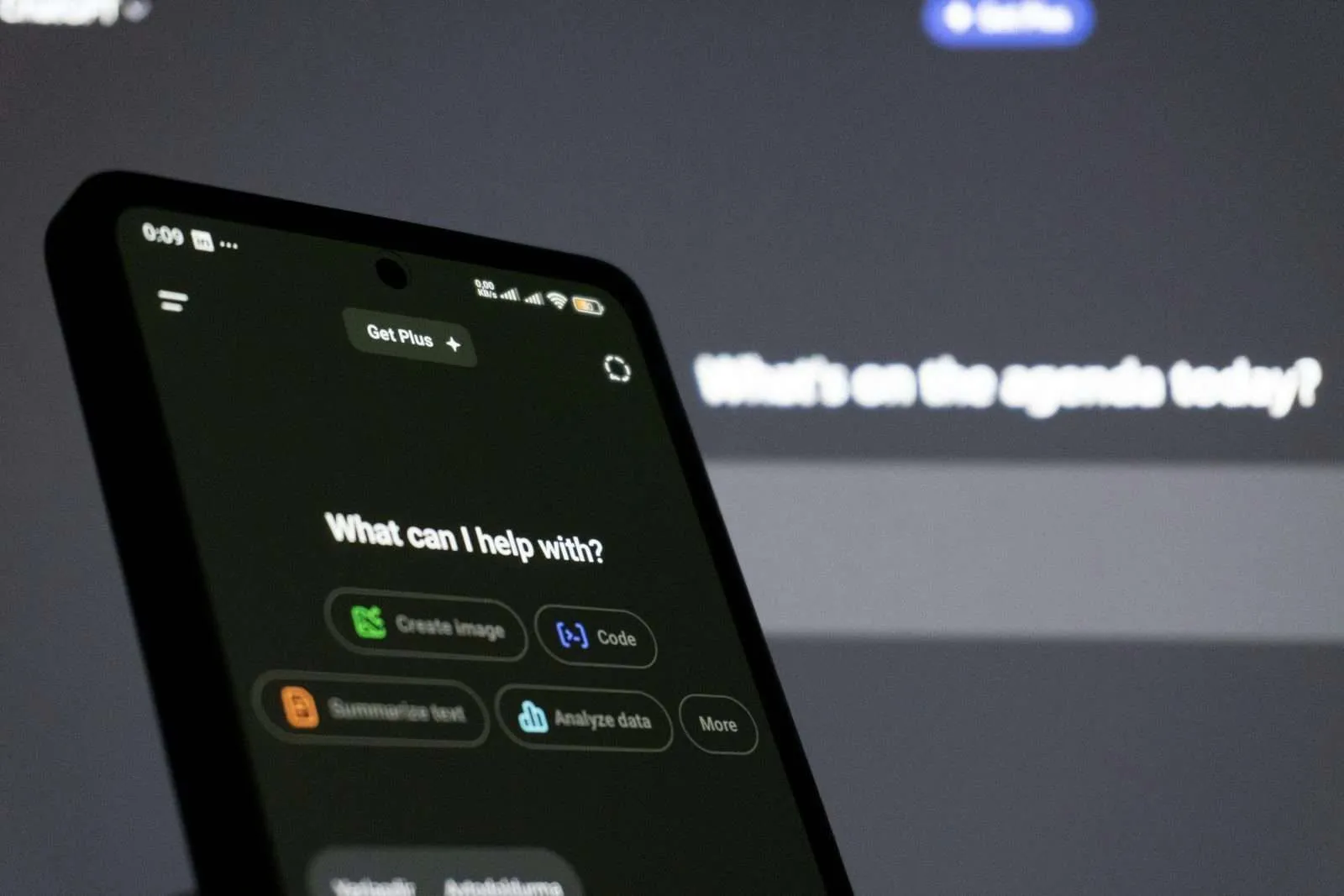

Search behaviour is changing faster than most businesses realise. While traditional SEO focuses on ranking in Google’s search results, millions of people now get their answers directly from AI tools like ChatGPT, Claude, and Google’s AI Overviews without ever clicking a link. This shift explains what is AEO optimisation and why it’s becoming essential for business visibility online.

Answer Engine Optimisation (AEO) is the practice of optimising your content so it appears in AI-generated answers and voice search results. Unlike traditional SEO that aims for clicks, AEO focuses on being cited as a trusted source when AI tools provide information to users.
What Is AEO Optimisation and How Does It Differ from SEO
Traditional SEO optimises for search engine results pages (SERPs) where users see a list of links and choose which to click. AEO optimises for answer engines where AI systems provide direct answers by synthesising information from multiple sources.
The key differences lie in user behaviour and content presentation. According to recent studies, over 30% of users now prefer getting answers from AI tools rather than browsing multiple websites. This means your content needs to be structured for AI comprehension, not just human readers.
Search engines like Google still matter, but they’re evolving. Google AI Overviews now appear for many search queries, providing AI-generated summaries before traditional search results. Being featured in these AI Overviews requires AEO strategies. Google itself has flagged this shift in its AI search announcement.
Where traditional SEO focuses on keywords, backlinks, and technical factors, AEO prioritises content clarity, factual accuracy, and structured data. Your content must answer questions directly and provide context that AI systems can understand and cite confidently.
Why Answer Engine Optimisation Matters for UK Businesses
UK consumers are rapidly adopting AI-powered search tools. Voice assistants process over 1 billion voice searches per month globally, with a significant portion coming from UK users asking business-related questions like “best accountant near me” or “how much does website design cost”.
Local businesses particularly benefit from AEO because voice searches are three times more likely to be location-based. When someone asks their smart speaker for recommendations, you want your business mentioned in the AI’s response. Local-pack visibility for areas such as Bath, Cardiff, Edinburgh and Belfast now leans heavily on AEO signals.
Professional services firms see even greater impact. According to Google data, 67% of UK professionals use voice search to research business services. Practices in legal services, financial services, and consultancies optimised for answer engines capture more qualified leads because AI tools present them as authoritative sources.
The competitive advantage is significant because most UK businesses haven’t adopted AEO yet. Early adopters gain visibility in a less crowded space compared to traditional search results where competition is fierce.
How AI Tools Choose Which Sources to Cite
Understanding AI source selection helps explain why some businesses appear in AI answers while others don’t. AI systems evaluate content based on authority, accuracy, and structure rather than traditional ranking factors.
Content authority comes from established domain reputation, expert authorship, and citation by other reputable sources. AI tools favour content from recognised industry authorities and websites with strong topical authority.
Accuracy is crucial because AI systems cross-reference information across multiple sources. Content with verifiable facts, proper citations, and up-to-date information ranks higher in AI consideration. This includes:
- Direct answers to common questions in your field
- Statistics with clear source attribution
- Step-by-step processes and procedures
- Factual comparisons and explanations
Structure matters enormously. AI systems parse content more effectively when it uses clear headings, bullet points, numbered lists, and schema markup. Well-structured content gets cited more frequently because AI can extract specific information efficiently. Validate the markup with Google’s Rich Results Test. Before any of this can work, the AI crawlers need access to your site, see is your robots.txt blocking ChatGPT, ClaudeBot and Google AI?
Core AEO Strategies That Actually Work
Successful AEO implementation requires specific content and technical approaches that differ from traditional SEO tactics. The strategies that deliver results focus on direct answer provision and AI comprehension.
Question-focused content creation tops the priority list. Research the exact questions your customers ask, then create comprehensive answers. Use tools like AnswerThePublic and analyse customer service enquiries to identify common questions, and mirror the language used in People Also Ask.
Format answers for easy AI extraction:
- Start with a direct answer in the first paragraph
- Provide supporting details in subsequent paragraphs
- Use clear subheadings that match question patterns
- Include relevant statistics and examples
- End with actionable next steps
Structured data implementation becomes essential for AEO success. Schema markup helps AI systems understand your content context and extract relevant information accurately. Focus on FAQ schema, How-to schema, and Local Business schema for maximum impact.
Content depth and expertise signal authority to AI systems. Create comprehensive resources that fully address topics rather than surface-level articles. AI tools favour content that demonstrates clear expertise and provides complete information.
| AEO Factor | Traditional SEO Focus | AEO Approach |
|---|---|---|
| Content Goal | Encourage clicks | Provide complete answers |
| Keyword Usage | Keyword density | Natural language |
| Content Structure | Scannable formatting | AI-parseable structure |
| Success Metric | Search rankings | AI citations and mentions |
Measuring AEO Success and Performance
Traditional SEO KPIs like search rankings and click-through rates don’t fully capture AEO performance. New measurement approaches focus on brand mentions, answer accuracy, and voice search visibility.
Brand mention tracking across AI platforms provides crucial insights. Monitor when AI tools cite your business, website, or expertise in their responses. Tools like Google Alerts and Mention can track some of these citations, though comprehensive AI mention tracking remains challenging.
Direct answer appearances in search results indicate AEO progress. Google’s featured snippets, People Also Ask boxes, and AI Overviews show your content is structured effectively for AI comprehension. Track these appearances using Google Search Console and third-party SEO tools. Google’s own Search Console help documents the underlying data.
Voice search performance requires different tracking methods. Monitor local business mentions in voice search results through customer feedback and local SEO tools. Many voice searches don’t generate traditional analytics data, making customer surveys valuable for understanding voice-driven enquiries.
Content authority signals include expert mentions, industry citations, and reference quality. Track when other websites, publications, or AI systems reference your content as an authoritative source. This indicates your content meets AI systems’ credibility requirements.
Common AEO Mistakes That Hurt Performance
Many businesses attempting AEO make fundamental errors that prevent AI systems from effectively using their content. Understanding these mistakes helps avoid wasted effort and missed opportunities.
Over-optimisation for keywords instead of natural language creates content that AI systems struggle to parse effectively. While traditional SEO benefits from strategic keyword placement, AI systems prefer conversational, natural language that matches how people actually ask questions.
Incomplete answers frustrate both users and AI systems. Content that starts answering a question but requires users to visit multiple pages or contact the business directly gets bypassed by AI tools seeking complete information to provide comprehensive responses.
Technical implementation errors prevent AI systems from accessing and understanding your content:
- Missing or incorrect schema markup
- Poor site structure that confuses AI crawlers
- Slow loading speeds that limit AI access
- Mobile-unfriendly formatting that reduces visibility
Neglecting local optimisation particularly hurts businesses serving specific geographic areas. AI systems heavily weight location relevance for local queries, so businesses without proper local signals miss voice search opportunities.
Getting Professional AEO Support
Implementing effective AEO strategies requires understanding both AI behaviour and traditional search principles. Many businesses benefit from professional guidance to avoid common pitfalls and accelerate results.
AEO is baked into every BrisTechTonic SEO package and SEO strategy engagement. Our approach combines content optimisation, technical implementation, and performance tracking to ensure your business appears in AI-generated answers.
Professional AEO work typically includes content audit and restructuring, schema markup implementation, and ongoing performance monitoring. The investment proves worthwhile as AI search adoption continues growing rapidly across UK markets.
Businesses often achieve better results combining AEO with comprehensive SEO services. This integrated approach ensures visibility across both traditional search results and emerging AI platforms, maximising your digital marketing effectiveness.
The key is starting early while AEO competition remains relatively low. Businesses that establish strong AI search presence now will maintain advantages as more competitors enter this space. Learn how to appear in AI search results and begin implementing these strategies immediately.
Frequently Asked Questions
How long does it take to see AEO results?
AEO results typically appear faster than traditional SEO, often within 4-8 weeks for properly optimised content. AI systems update their knowledge bases more frequently than search engines update rankings, allowing well-structured content to gain visibility quickly.
Do I still need traditional SEO if I focus on AEO?
Yes, traditional SEO remains important because many users still browse search results and click links. The most effective approach combines both strategies, ensuring visibility across traditional search results and AI-generated answers for comprehensive digital presence.
Which types of businesses benefit most from AEO?
Local service businesses, professional services, and e-commerce companies see the greatest AEO benefits. These businesses frequently answer customer questions and provide information that AI systems commonly request, making them ideal candidates for answer engine optimisation strategies.
AEO represents a fundamental shift in how people find and consume information online, making it essential for forward-thinking businesses to adapt their content strategies now.
BrisTechTonic helps UK businesses navigate this transition with comprehensive AEO strategies that deliver real results. Book a free discovery call to discuss how answer engine optimisation can improve your business visibility in the age of AI search.
Want similar results for your business? Book a free discovery call, or learn about our SEO strategy service.


