

Contact

SEO Strategy Articles

What Happens When You Pause SEO (The Data, Not the Theory)

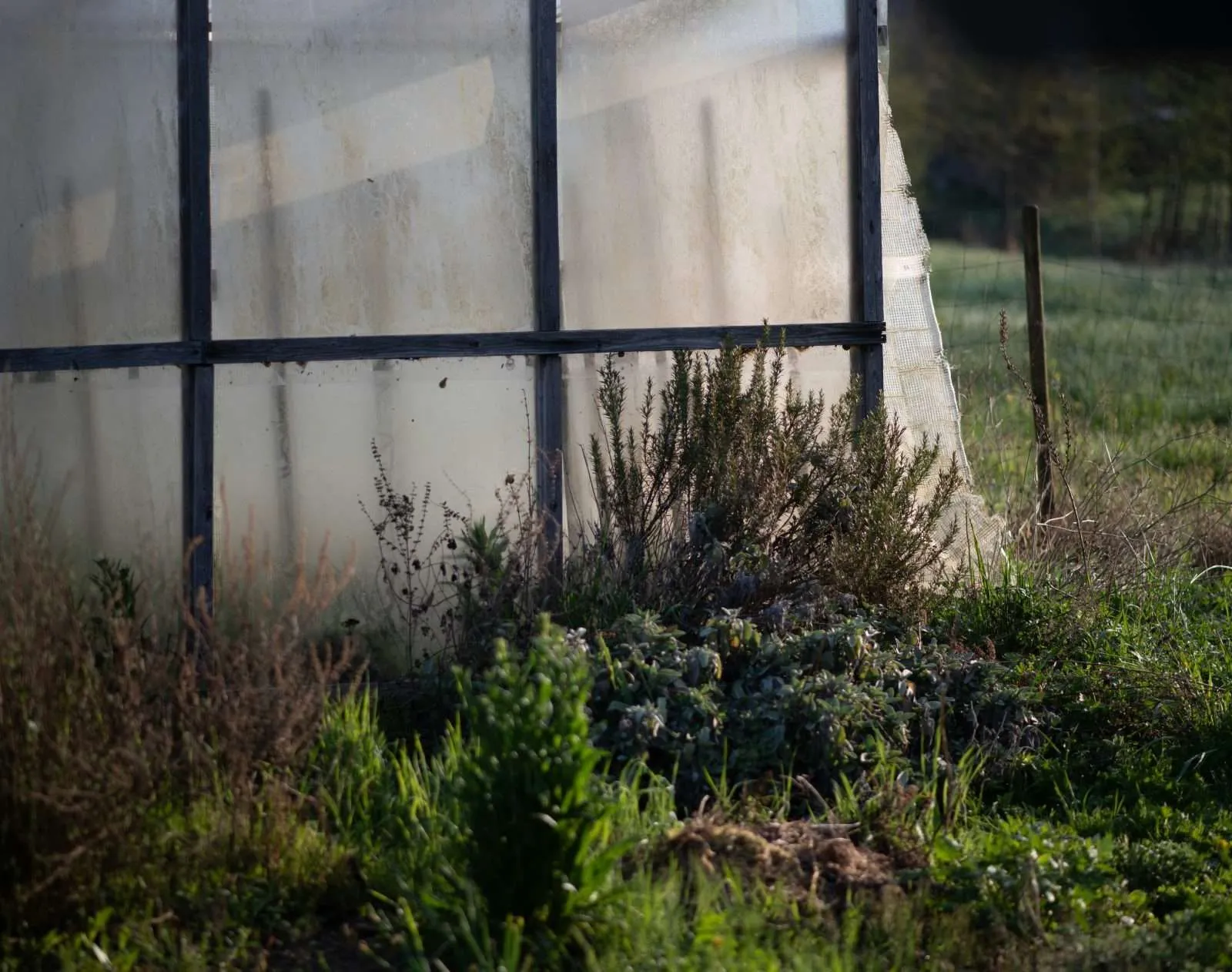
Abandoned greenhouse with overgrown plants, representing what happens when SEO investment is paused and competitors fill the gap
A European multilingual client moved from position 16 to 10 over six months. Then the budget was paused. Two months on, results are reversing. The 30/60/90 day decay curve we…

In this article:

A European multilingual client of ours moved from an average Google position of 16 to 10 over a six-month SEO engagement. Real, measurable progress in a competitive sector. Then the budget got reviewed, the work was paused, and two months on the results have started to slide. Not collapse, not yet, but visible in the weekly numbers and showing up in conversion attribution. This is the post I wish every prospective client read before they signed the first contract, and every existing client reread before the annual budget cycle. Pausing SEO is not free. The bill arrives later, and the way it arrives is not the way most people expect.

Why this matters for any UK SME thinking about a pause

Almost every UK SME we have ever worked with has, at some point, considered pausing SEO. Sometimes it is a budget squeeze. Sometimes it is a new finance person asking what the line item is doing. Sometimes it is a quiet quarter where the marketing director just wants to see if the channel actually holds up without ongoing investment. All of those are reasonable questions. The honest answer is uncomfortable because it has two parts that sit awkwardly together. SEO does compound, so a paused programme keeps producing for a while. SEO also decays, so the same paused programme starts producing less, and the decay curve is steeper than most expect.

Time after pausing SEOWhat we see in the dataWhy
Month 1Rankings often unchangedRecent work still indexed and fresh
Month 2-3Positions start slipping on the most competitive queriesCompetitors keep publishing while you stopped
Month 4-6Traffic drops on transactional queries firstFreshness signals fade, no new content lifts
Month 7-12Compounding decline on informational queriesOld content ages out of the AI citation window
12+ monthsRegaining lost ground costs more than the pause savedTrust signals reset from a lower baseline

The temptation is to treat SEO like a one-off setup that gets handed over and runs by itself. That model fits a fixed asset, not a living position in a competitive market where every rival is publishing, optimising, and earning links every week you are not.

What actually happens when you pause

The mechanism of decay is not mysterious. Three things happen at once, on roughly different timelines.

Your competitors keep moving. The query landscape you ranked in three months ago is not the query landscape you rank in today. New competitor pages get published, existing pages get refreshed, internal links get rerouted, new entrants enter the market. Every week you are not publishing or updating, somebody else is. Your position is not held by the work you did last year. It is held by the work you are doing this month relative to everyone else.

Your existing content gets stale in ways AI and Google both notice. Freshness has always mattered for time-sensitive queries. It now also matters for AI Overview citation, because AI tools strongly prefer recent, dated content where the answer is unambiguous. A page you optimised in January looks different to an AI bot in October than it did in February. It also looks different to a returning Google crawler, which will gradually re-evaluate the page based on signals that have moved.

Technical debt accumulates silently. WordPress updates, Shopify theme tweaks, third-party plugin changes, internal redirects, image compression settings: all of it drifts over time. Nobody is auditing it. The small things that quietly degrade pagespeed, Core Web Vitals, or schema validity stack up. Then a Google algorithm refresh notices, or an AI bot fails to parse your structured data, and the rankings move before anyone realises why.

The decay is not linear and it is not symmetric. Some pages hold for a long time. Some pages drop fast. The ones that drop fastest are usually the ones earning the most traffic, because they are the ones in the most contested queries.

The 30, 60, 90 day timeline we see again and again

Across the BrisTechTonic client base, the post-pause pattern is consistent enough to call it a pattern. Anonymised composite numbers, but the shape repeats.

Days 1 to 30. Almost nothing visible. Tracked conversions hold steady. Rankings hold steady. The pause looks free, which is exactly the period that convinces a finance director the work was discretionary all along.

Days 31 to 60. Brand-search and direct traffic start to soften a few percent. Long-tail queries that were marginal start dropping out of the top 20. Total organic clicks down 5 to 10 percent, but it is easy to attribute to seasonality or a slow news week.

Days 61 to 90. This is when the curve starts to bite. Average position slips by 2 to 4 places on the head queries. Impressions drop 15 to 25 percent. Click-through rate falls because you are appearing lower on the page or being pushed out of AI Overviews you used to be cited in. Conversions follow with a lag of about three weeks.

Days 90 plus. Decay continues at a slower rate but the floor is genuinely lower. By month six of a sustained pause, most clients are looking at recovery costs that exceed what the original maintenance retainer would have been for the same period. The phrase we hear most often at this stage is “we should have just kept it going.”

The European multilingual client I opened with sits at day 60 in this curve right now. The slide is visible. The decision to restart is currently being discussed.

Why SEO is not advertising, in one chart you can draw on a napkin

The reason this catches finance directors off guard is that SEO does not behave like advertising. Paid advertising is a flow channel. You spend, you get traffic, you stop spending, the traffic stops the next day. The model is intuitive: input goes in, output comes out, no input means no output. Our PPC packages work that way by design.

SEO is a compounding asset. The work you do this month adds to the asset, and the asset earns traffic at compounding rates as long as you keep tending it. When you stop tending it, the asset does not vanish. It also does not stay frozen. It depreciates, slowly at first and then less slowly, because the surrounding market keeps moving and the asset stops moving with it.

The closest non-marketing analogy is a garden. A neglected garden does not become a desert. It becomes a different garden, one shaped by whatever grows fastest in your absence. With SEO, the things that grow fastest are your competitors.

This framing matters for two reasons. First, it forces an honest conversation about depreciation when budget cuts come around. Second, it explains why the Revenue Impact Factor work coming out of BrightonSEO 2026 consistently shows that last-click attribution undersells SEO by 1.5x to 3x. The compounding side of the asset is invisible to most dashboards.

When pausing actually is the right call

This piece is not a sales pitch for never pausing. There are situations where the right answer is to pause, and we tell clients that when we see them. Three honest scenarios.

The work isn’t working. If twelve months in, your rankings have not moved, your brand search is flat, and there is no convincing story about why the next six months will be different, pausing to reset is sensible. Throwing more money at a broken strategy is worse than pausing.

The business is genuinely changing. If you are pivoting to a new market, rebranding, or restructuring in a way that will require a different SEO foundation, pausing the existing work while the bigger change happens makes sense. Better to invest in the right foundations later than to keep paying for foundations you are about to demolish.

You have proof the demand has gone. If you can show the underlying search demand for your category has structurally declined (not seasonal, not noise), and you have AI search visibility data showing your buyers have moved to a different surface where SEO does not help, that is a real reason to redirect spend. This is rarer than it sounds, but it does happen.

In every other case, what gets called “pausing” is usually deferring a decision that will cost more later.

How to pause without losing as much as possible

If you genuinely do need to pause, the difference between a careful pause and a hard stop can be a year of recovery work avoided. Three rules.

Keep the technical floor. Pay for someone to do a quick monthly pass on indexing, broken links, Core Web Vitals, and schema. The work is small, the protection is large. Most of the technical-debt-driven decay is preventable for a tenth of the cost of a full retainer.

Publish less, but publish. One thoughtful update or new piece per month keeps the freshness signal alive at a fraction of the work of a normal content calendar. It is not enough to grow, but it slows the curve.

Track the four real-impact metrics monthly anyway. Tracked conversions, brand search trend, AI referral signals, and pixel-position visibility. If any of those moves sharply in the wrong direction during a pause, you want to know within four weeks, not four months. There is no point pausing if you cannot tell when the pause has started to hurt you.

If you are going to do any of this in-house, the Search Console help on monitoring traffic changes and the freely available Google Search Central guidance on site maintenance are the right starting points. If you would rather have someone else handle the lights-on layer while the bigger programme is paused, that is exactly what our lighter SEO packages exist for.

Where to start this week

If you are mid-pause and reading this with a slight knot in your stomach, three things to do today. First, check your tracked conversions from the last 30 days against the 30 days before the pause started. Second, pull a Google Search Console comparison of the same windows for clicks, impressions, and average position. Third, run a quick brand-search check for your business name in Google and in ChatGPT. If any of those three has moved by more than 15 percent in the wrong direction, the decay curve is already in motion and you have a decision to make.

If you are considering a pause and want a sober second opinion before you sign off the budget change, that is what an SEO strategy review is for. The honest version, not the version that pretends pausing is free.


By Chris McDowell, founder of BrisTechTonic. I run a small Bristol team helping UK SMEs read what their SEO is actually doing through the lens of conversion data, brand search trend, AI visibility, and pixel-position reality. See our SEO packages or book a discovery call.

Related posts