ALT Attribute, explained properly.
What is the ALT attribute?
The ALT attribute, or alternative text, is an HTML attribute that describes the content of an image. It is not visible to most users but is crucial for both accessibility and SEO. Search engines cannot see images the way people do, so alt text gives them a text-based description of what the image shows. We optimise images across client sites with descriptive, relevant alt text as part of our SEO audit process.
Why alt text is important for SEO
Google cannot see images, but it can read the alt text and use it to: - Understand the context of the image. - Rank your images in Google Image Search. - Serve better results for users on Google Lens or using screen readers. Alt text also contributes to content relevance. Pair it with broader image optimisation for the strongest result.
Best practices for writing alt text
**Be descriptive.** Describe what is in the image as simply as possible, for example "Person working at a desk in a modern coworking space with a laptop." **Avoid keyword stuffing.** Keep alt text natural and relevant. Google can penalise over-optimisation. **Keep it concise.** Stay under 125 characters, because screen readers and search engines prefer short, targeted descriptions. **Include target keywords sparingly.** Where it fits, a relevant keyword is fine, for example "SEO consultant working on a website audit."
Alt text and accessibility
Alt text is a critical part of web accessibility. It gives screen reader users a description of the image and supports compliance with standards such as WCAG. We treat accessibility with the same care as SEO, which ties into broader user experience work.
Common mistakes with alt text
- Using "image of" or "photo of", which is unnecessary. - Keyword stuffing. - Leaving alt text out entirely; decorative images should use an empty `alt=""` rather than no attribute.
ALT Attribute: common questions.
What goes in alt text?
A description of what the image shows, in natural language. For a product photo: "Black running shoes with white sole and laces". For a chart: "Bar chart showing organic traffic doubled between January and June". Match the description to what would help someone who cannot see the image.
Should alt text include keywords?
Where natural, yes. A service page hero image can naturally include the focus keyword. Do not force keywords; honest description first, keywords second when they fit. Stuffed alt text is detected and penalised.
What about decorative images?
Use empty alt text: alt="". This signals to screen readers that the image is purely decorative and can be skipped. Do not omit the attribute entirely; an empty alt is different from no alt.
How long should alt text be?
Specific enough to describe the image, short enough to be read aloud quickly. Typically 5 to 15 words, and up to 125 characters as a hard ceiling.
What clients say about working with us.
“I've had the pleasure of working with Chris on several SEO projects for my websites in the health field. He was definitely been able to demystify things so that I felt able to make decisions with him and feel confident they were the right ones. For a non-techie, that is worth gold! I look forward to working with Chris again and warmly recommend him to anyone who - like me - is unsure about all things SEO.”
“I was recommended by my branding partner to use Chris and his team last year. I can’t recommend them highly enough. They are very responsive , easy to communicate with and great at translating techy stuff when needed. They are now an essential part of my business model”
“We've been working closely with Chris, Hannah and the team for over 12 months now. As a small company with ambitious growth plans, it was incredibly important that we made the right choice on who to trust with our SEO. 18 months later, we're totally thrilled with our experience so far and our growing online presence within our market. We'd happily recommend BTT and their services to other SMEs. Drop them an enquiry!”
Real people on your account, not a faceless agency.
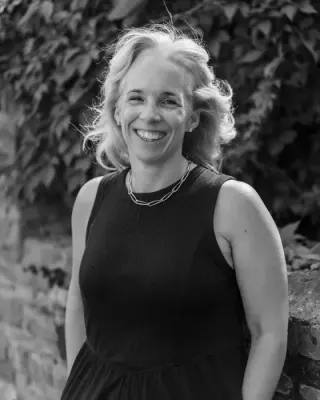
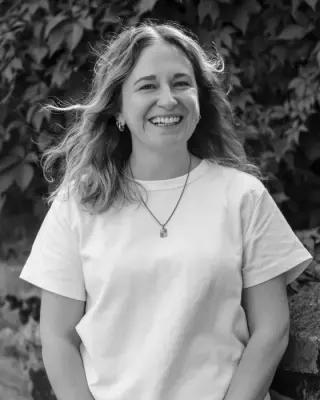
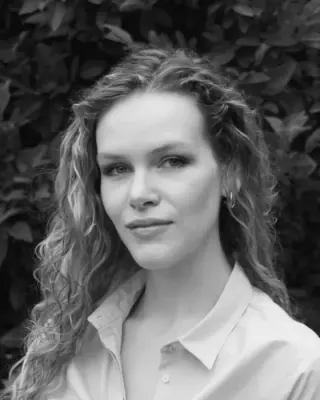
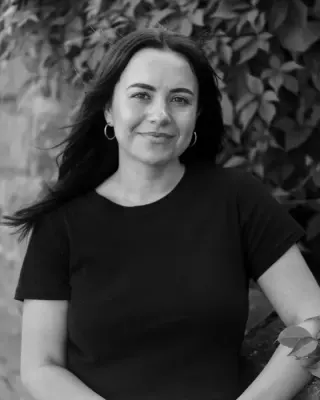
You work directly with the senior people who do the work, a small Bristol team you will actually get to know, not a call centre or an account manager relaying messages.
Meet the team →